
Flush heritage windows
Sashes sit flush with the frame for a traditional timber look, with the easy care of uPVC.
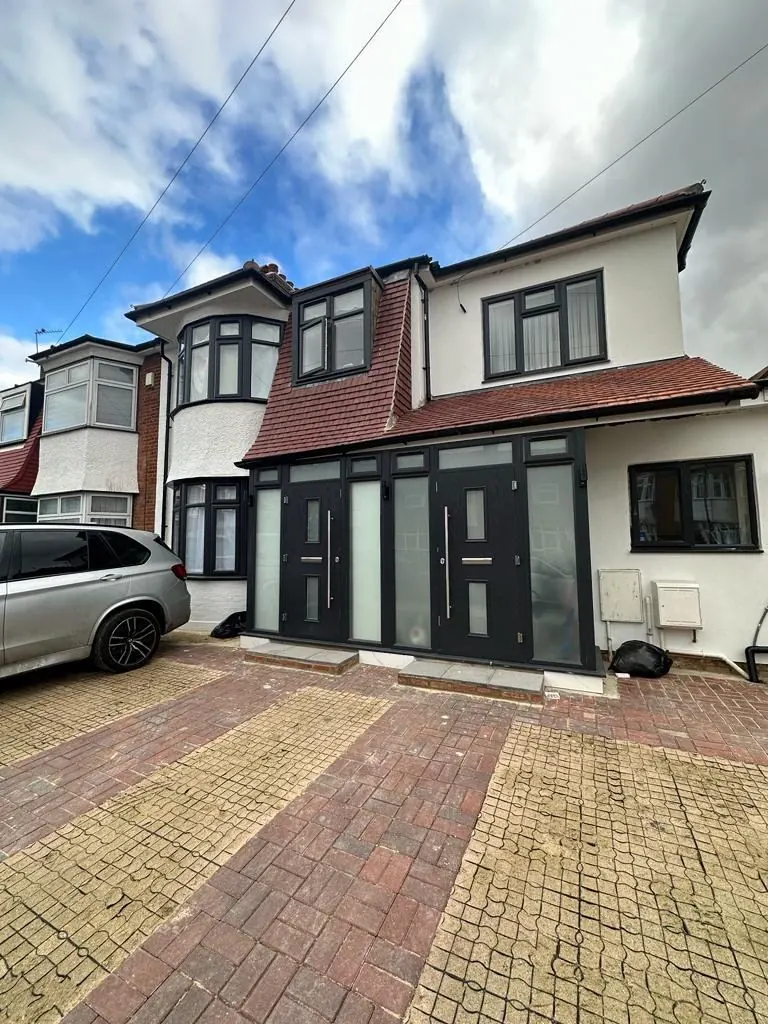
Make it yours
Pick your glass and finishing touches. Each option has its own page with more detail.
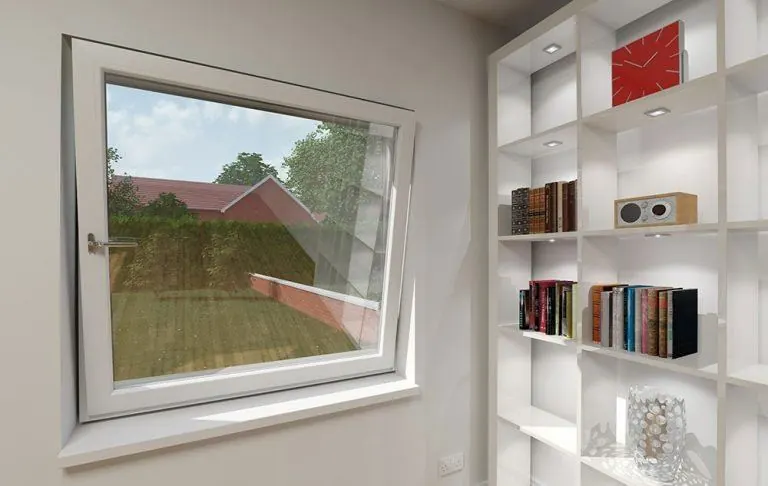
- Double glazingThe standard for warm, quiet homes.
- Triple glazingExtra warmth and noise reduction.
- Acoustic glazingFor busy roads, rail lines and flight paths.
- A+ rated windowsOur most energy efficient specification.
- Energy efficiencyHow ratings and U-values cut your bills.
- Georgian & astragal barsTraditional glazing bars for period homes.
- Timber trimsA neat finish around your new frames.
- Obscure glass rangePrivacy for bathrooms and front doors.
Recent installations
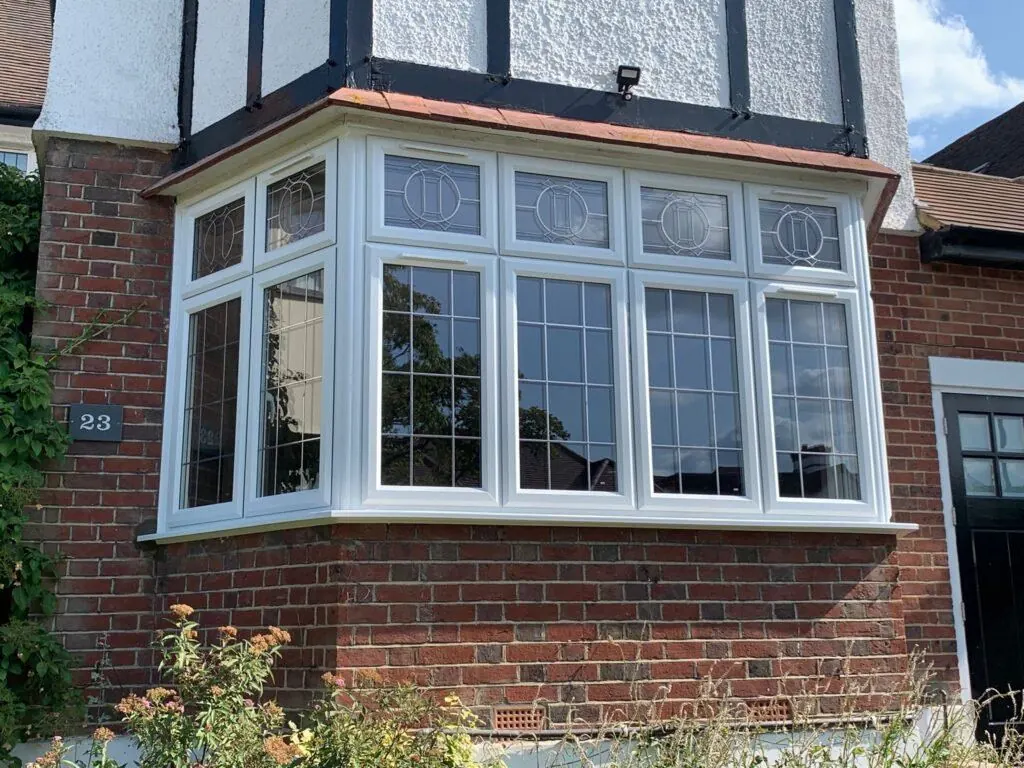
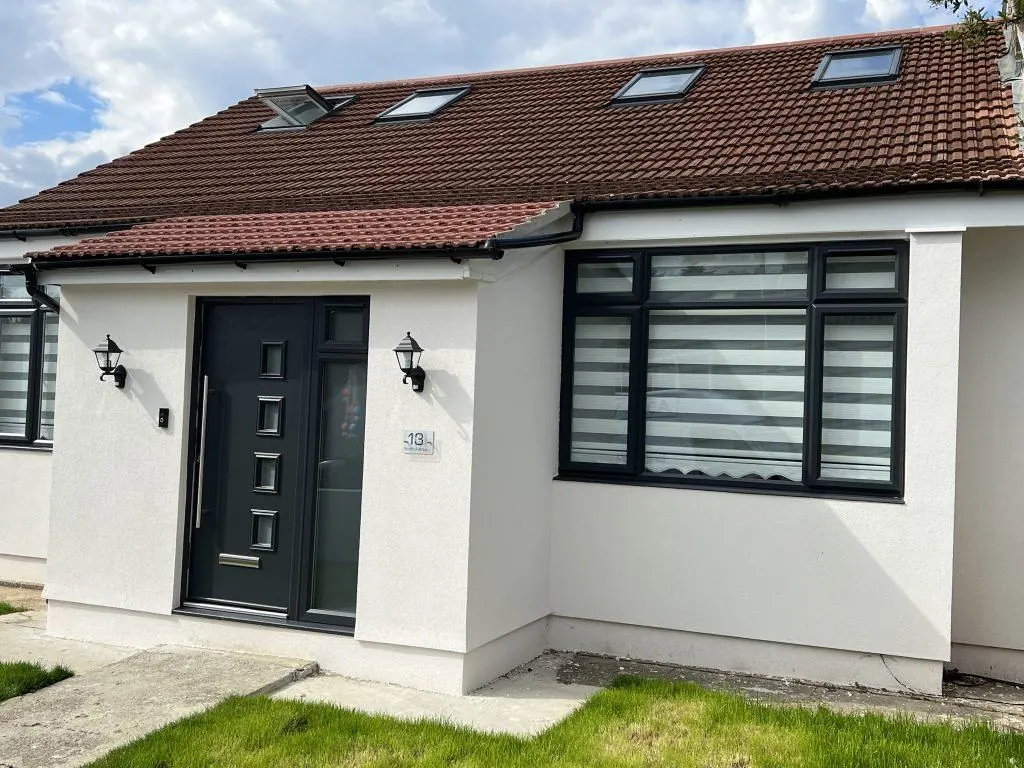
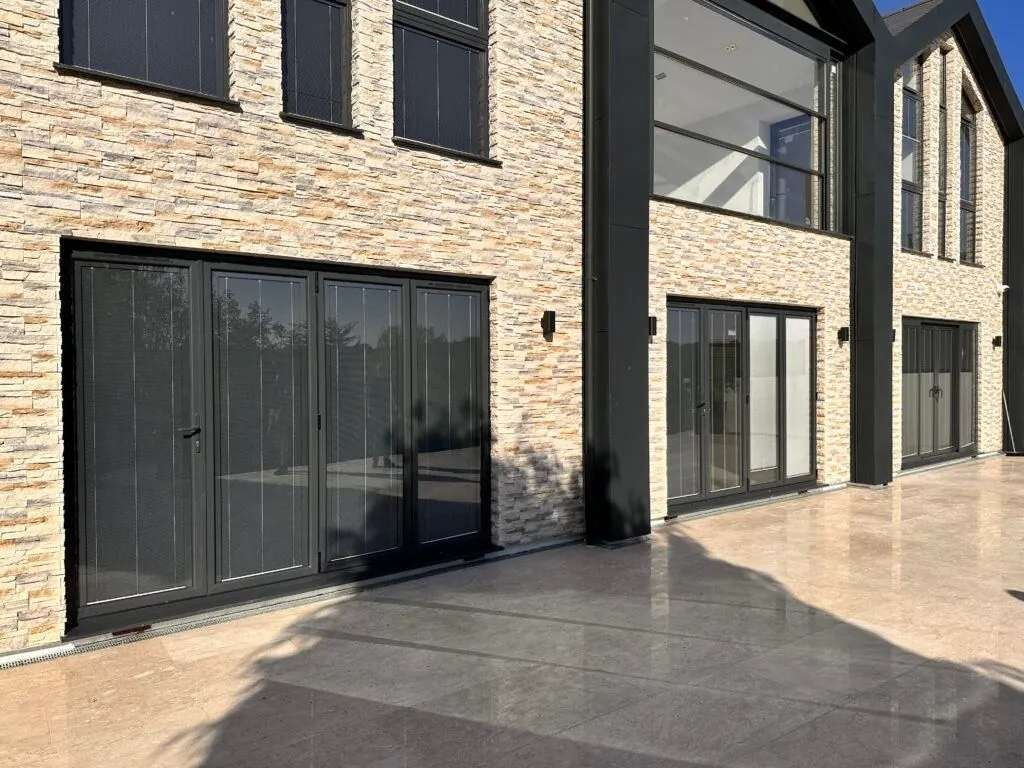
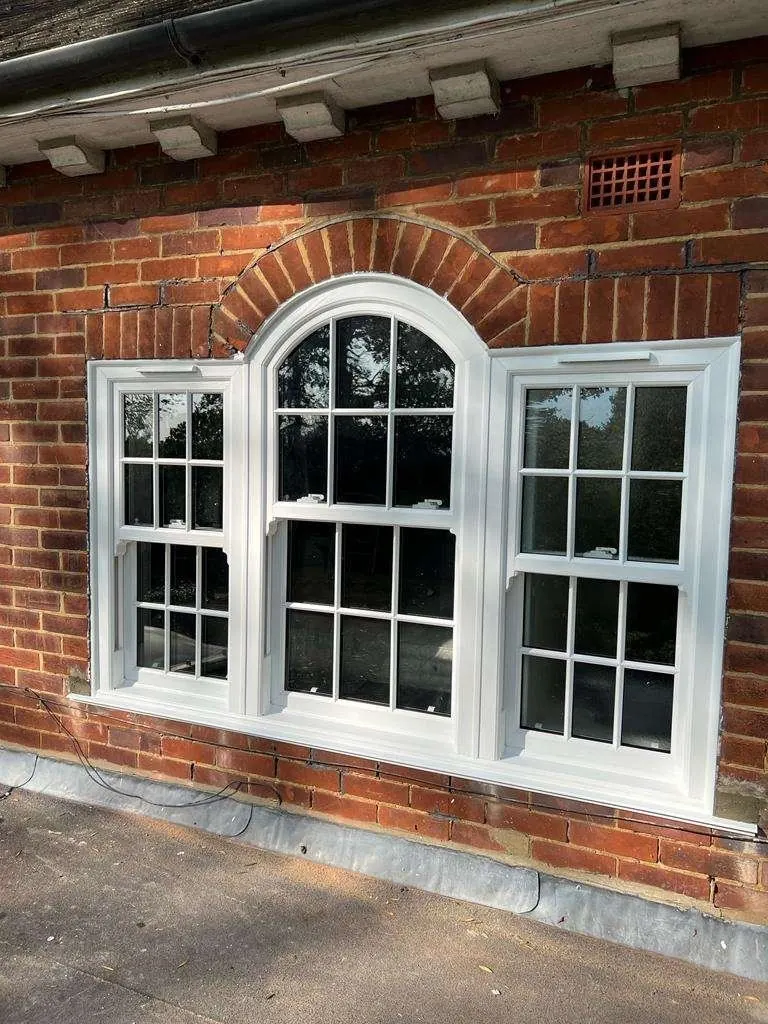
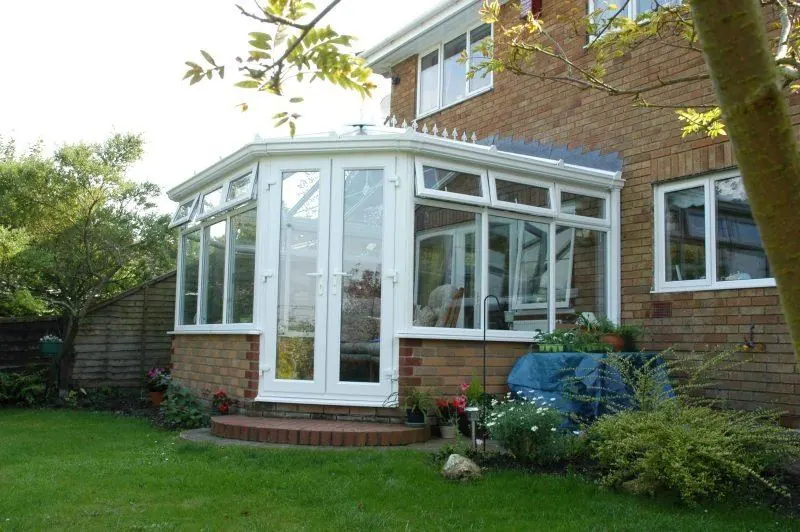
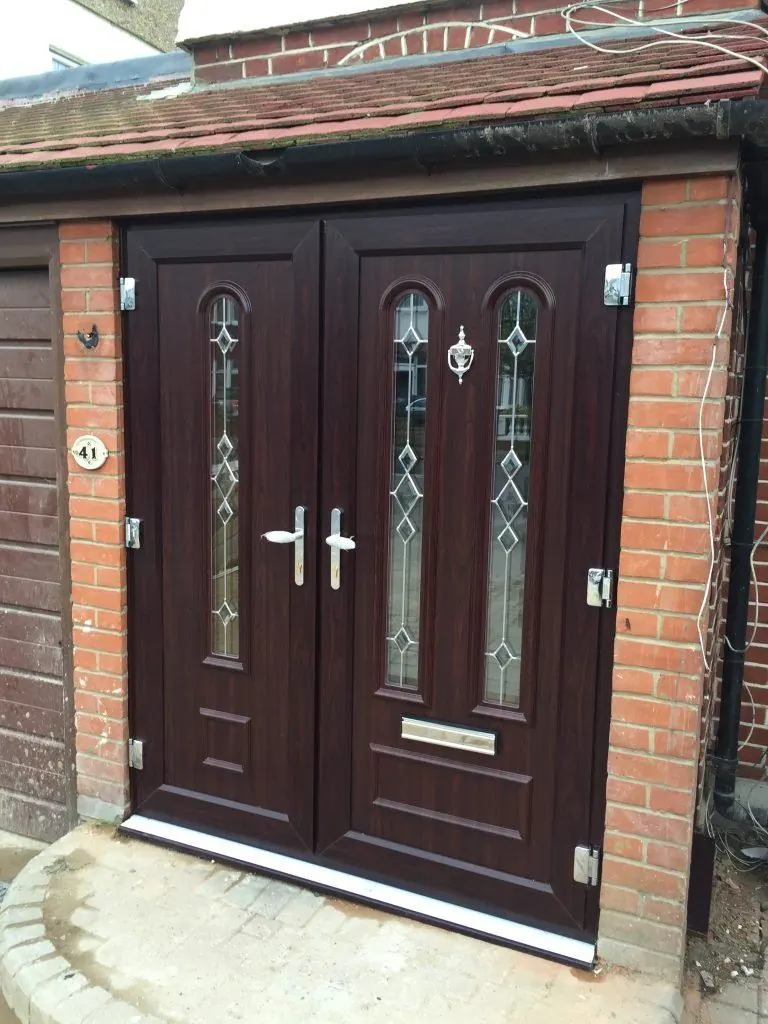
Your questions answered
What colours can I choose?
A huge range of colours — options vary by product. Popular choices include white, anthracite grey, black, cream, Chartwell green and wood-grain finishes, and many frames can be a different colour inside and out.
What is the difference between double and triple glazing?
Triple glazing adds a third pane of glass, which keeps more heat in and blocks more outside noise. It costs more and the units are heavier. For most London homes, A-rated double glazing is very effective; triple glazing is worth considering for north-facing rooms, busy roads or if you want the best possible energy performance.
Can sash windows be replaced in uPVC and still look original?
Yes. Modern uPVC and timber-look sash windows have slim frames, run-through sash horns and traditional proportions, so from the street they look like the originals — but they slide smoothly, lock securely and keep draughts out. In conservation areas we will advise which designs are most likely to be accepted.
Ready for new flush heritage windows?
Free survey, clear price, made in Enfield.